

This is part 3 of 8 of my summer series on community in trail running. See the whole series here.
Last month, I sat in the audience of over a dozen trail running panels, and one word came up in all of them: “Inclusion.”
Brand reps wove the word into all their responses. What’s the future of the sport going to bring? Inclusion. What has your company focused on this year? Inclusion. What’s your favorite part of the running community? Inclusion!!!
My ears perked up, ready to hear a bunch of specific examples on what brands are actually doing to welcome, include, and celebrate underserved runners and trail enthusiasts. Instead, I heard a lot of fluff. 🤷♀️
It’s wonderful that “inclusion” is, apparently, a hot topic in the running and outdoor sports world. But hardly anybody got into the specifics of what that actually means, what that truly looks like in trail running culture and business. It felt like “inclusion” was a fun trend that sports brands wanted to glom onto before it goes out of style.
Saying the word “inclusion” is free. Practicing it costs money and control, and those are two resources most brands guard hardest.
Inclusion is not a one-time checkbox. It’s a practice of reevaluating your policies and procedures and messaging and outreach. It’s a reminder to sit in the discomfort of knowing the industry has a long way to go but putting in the work anyway. It’s learning to be okay with facing some risk and spending some resources to help more people access your product or services or experiences.
My fear is that despite all this talk about inclusion, trail running is actually going to become less inclusive of a diverse range of runners, especially as we’re told to buy more in order to perform more, based on the very metrics that people are selling you. (More on this in a couple weeks.)
But there was one panel I watched last month that did a great job at naming specific changes to foster inclusion: the para-athlete panel at TrailCon. After I outlined this post, I learned that this panel wasn’t originally in the event schedule. Pro runner + para-athlete Zach Friedley and the non-profit Born to Adapt shared this on Instagram:
Disability is the largest minority population in the world. Para athletes are actively competing in trail and mountain running around the globe…
So when an event centered around diversity, leadership, innovation, and the future of trail running does not include disability or any truly non-mainstream representation, it sends a message, whether intentional or not, about whose perspectives are considered part of that future.
Disability is not outside of trail running. We are already here.
-@borntoadapt and @trailblader on Instagram
Thankfully, folks spoke up and got this panel on the event schedule. But in this case, a para-running panel was an afterthought rather than a foundational part of a conference that uses the I-word liberally in marketing materials. Hopefully it’s a lesson and reminder for next year.
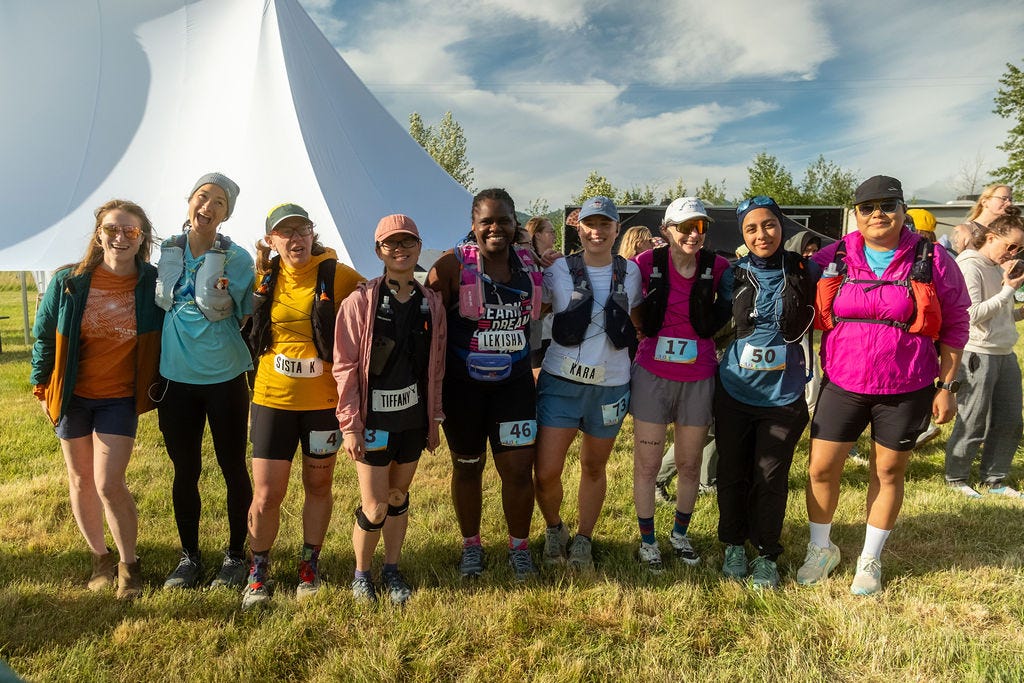
Trail running remains very white, wealthy, and male. It doesn’t have to stay that way.
I myself feel some discomfort in writing about this, since I’m certainly not perfect. My expertise and experience centers on women’s inclusion, and I often have to learn my own blind spots, especially since inclusion is intersectional and I can’t simply focus on women without considering race, socioeconomics, etc. I know that my own events and media projects still have plenty of work ahead in our own practice of inclusion. We all do — and there are also tons of examples to find inspiration for action:
Races: Broken Arrow Skyrace built an Adaptive Athletes Program with guaranteed spots for adaptive athletes. UTMB pays its men and women equal prize money. The Standhope Ultra Challenge offers designated aid station nursing spaces and dedicated breast milk transport. Go Beyond Racing’s Trail Mix Fund gives adaptive athletes a free bib for a guide runner. UltraSignup added a nonbinary category to registration (we’ve had runners at Wild Woman enter within it!).
Products: Design on larger bodies from the start rather than grading up from a small (remember the dumb “shrink it and pink it” concept? similar issue). Add a shoe model that you can wear without being able to bend down or tie laces. Do market research specifically with inclusion in mind and ask directly what underserved communities need.
Media: Make sure the people in the design or decision room is representative of the people pictured in the advertisement. Hire media pros — photographers, videographers, journalists, commentators — who come from underrecognized populations. Spotlight runners beyond the frontrunners and elites (non-pro stories are more relatable to the masses anyway).
💡 Reflection Qs for brand founders and employees
This post isn’t meant to be a doom-and-gloom complaint — I want us to envision a better future! So here are a few specific questions you can ask yourself or your team to help make your brand actually, really more inclusive:
When creating a new program or policy, ask: who is not in the room while making this decision? Who is missing from leadership?
What specific barriers still exist to your product/event/community?
Who do you already pay? Who can you pay?
How can you resource others to start their own community?
Are you elevating people because you believe in them, or because they fill a quota?
Do you know your own numbers? If you polled your start line, your team, your ambassador roster tomorrow, would you publish them?
Already doing inclusion work? Give us the actual examples when you’re holding the mic, instead of just “we love inclusion at this company.”
The word “inclusion” is free; that’s why it’s everywhere. But the receipts are expensive, and so they’re rare.
But consumers will trust the receipts over anything else.
Gonna be on stage? Say “inclusion” less. Instead, show me what it cost you. ❤️
Last week on BLOOD, SWEAT + FEAR:
How Trail Running Brands Can Truly Stand Out in 2026🏃♀️(Trail Running Series, Part 2)

This is part 2 of 8 of my summer series on community in trail running. See the whole series here.
Wondering how you got here? Hi, I’m Angie Lake! 👋 I’m a creative consultant and not-elite-just-enthusiastic athlete living in the mountains and rivers of Washington. I talk about the tough stuff — Blood, Sweat, and Fear — with the goal of building a happier, healthier world for women. You can check out all the ways to work with me here, or follow me on Instagram and LinkedIn.